.png)
Unlock the full potential of robotic-assisted surgery and position yourself as a leader in next-generation surgical innovation.

We're not just tech-focused — we're patient-focused. Our system blends digital specialists, strategic branding, and engaging content to develop:

(1-page website built to capture and convert leads)

(2 keyword phrases - to improve Google 1st page rankings)

(Social Media Marketing posts)
(New Patient Acquisition)
(Events: doctor-to-doctor referrals)

Surgeons we've partnered with have Increased consult bookings by 4x in under 90 days, Cut no-show rates in half with smart follow-up automations, Built a waitlist of robotic surgery candidates and Grown into new procedure lines with confidence.
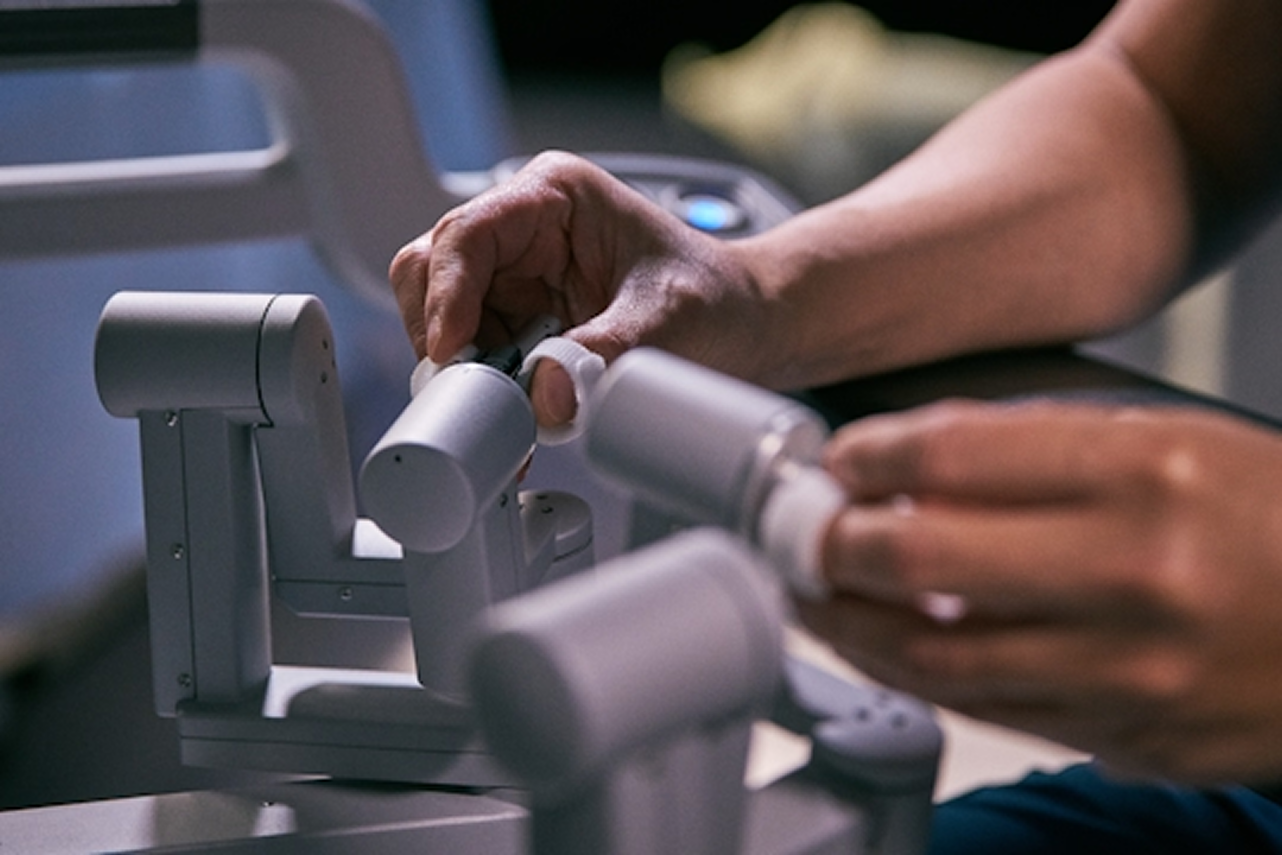

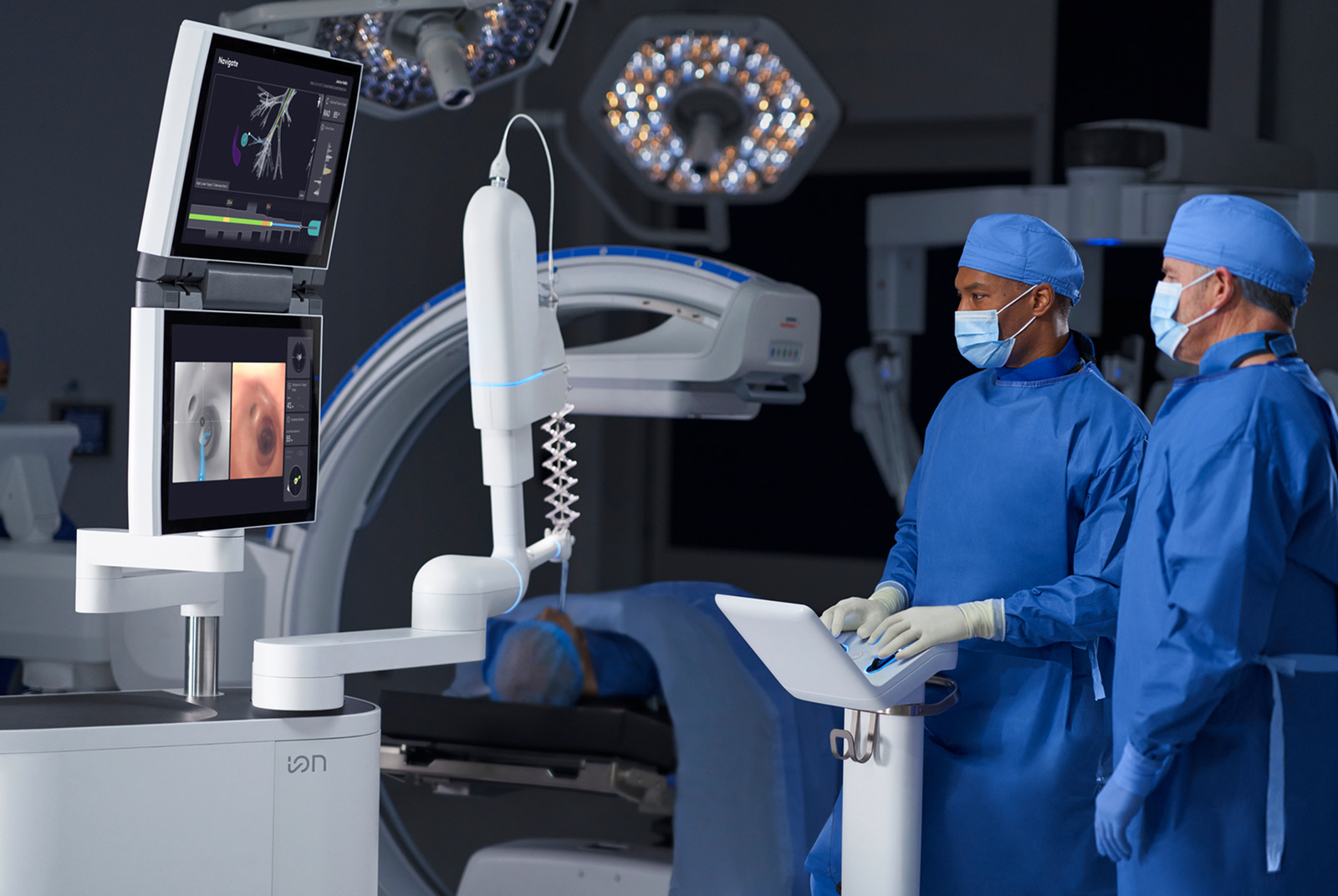
The techniques we can use with the da Vinci robotic surgical system require only a couple of tiny incisions... and involve little to no blood loss, much faster recovery, and significantly reduced post-operative pain.

“Robotic surgery in urologic oncology has allowed us to establish programs that not only advance surgical techniques but also significantly improve patient outcomes.”

Robotic surgery has revolutionized complex surgical procedures by enabling minimally invasive techniques, reducing the need for extensive incisions and minimizing patient discomfort.

Robotic-assisted surgery helps surgeons achieve better surgical outcomes with the 'trifecta' of cancer control, continence, and sexual function.

Robotic systems provide better accuracy in bone measurements and help quantify soft tissue... Patients undergoing robotic hip replacement may report benefits in earlier functional recovery and other benefits like improved patient outcome scores compared to traditional methods.

Robotic tele-manipulation in cardiac surgery has been instrumental in advancing minimally invasive techniques, leading to improved patient outcomes and expanding the capabilities of surgical procedures.

Robotic-assisted procedures are perceived as cutting-edge and minimally invasive.
Patients actively search for advanced surgical options, making robotic practices more appealing, especially for those prioritizing faster recovery and precision.
Yes.
The efficiency and shorter recovery times of robotic procedures often lead to faster patient turnover, enabling more surgeries within the same timeframe—without compromising outcomes.
Primary care providers and specialists are more likely to refer patients to surgeons using advanced techniques.
A robotic offering positions your practice as innovative, increasing trust and referrals.
While initial costs can be high, the ROI comes from improved outcomes, higher case volume, and new patient acquisition.
Plus, support from hospital systems and training programs makes onboarding smoother than many expect.